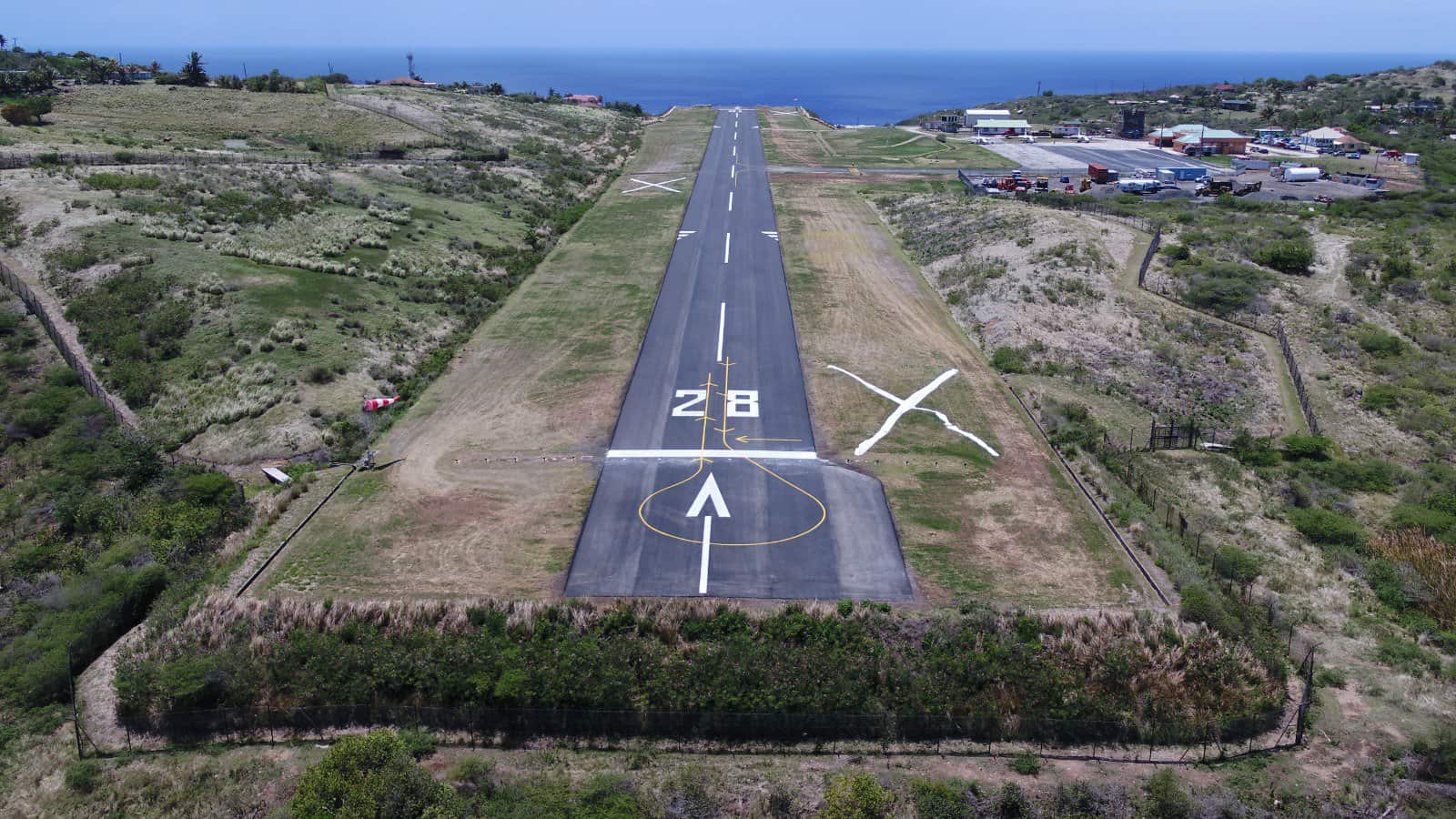
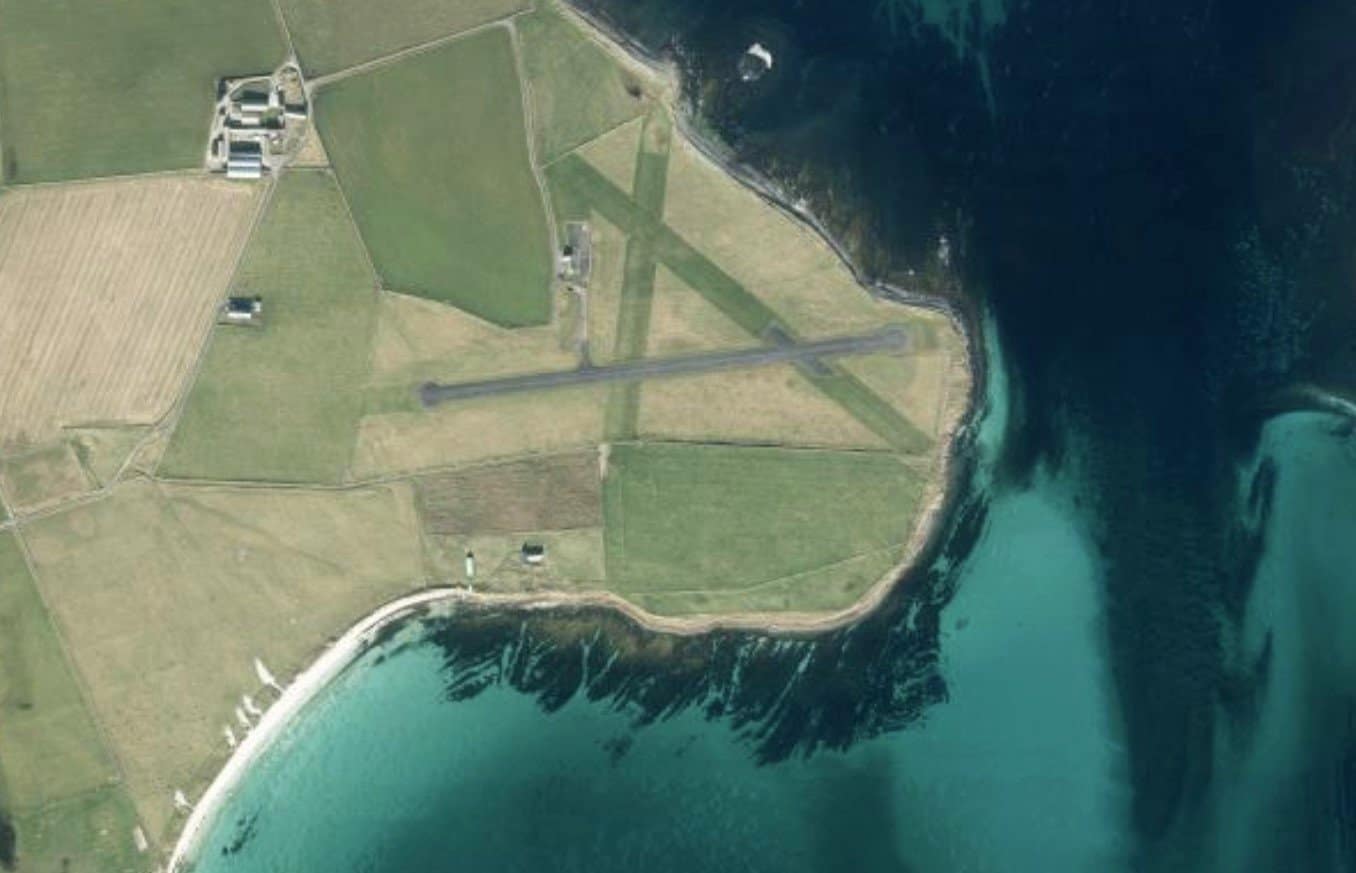
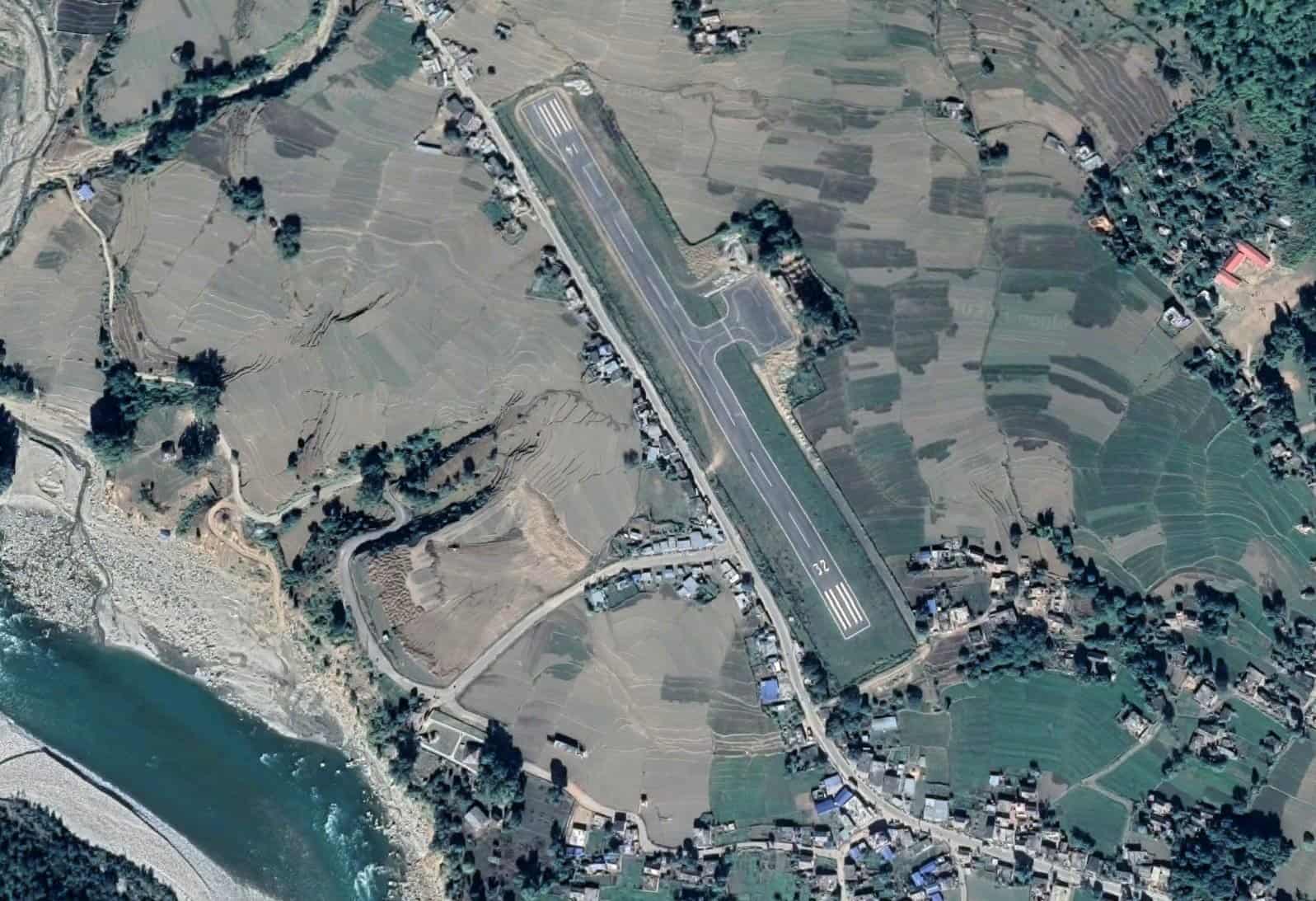
This is a list of the shortest airport runways in the world. While most modern commercial aircraft require a paved runway of at least 6,000 feet (1,800 m) in length, many early aircraft were designed to operate from unprepared strips that could be improvised in small spaces. Los Angeles's Grand Central Airport, considered a landmark in aviation history, had a 1,200-foot (370 m) runway during its first six years of operation from 1923 to 1929. Such airstrips were used by heavy as well as light aircraft. During the Doolittle Raid in WW II, twin-engine B-25 bombers with a loaded weight of seventeen tons took off from the 827-foot (252 m) flight deck of the carrier USS Hornet. As late as 1977, a Lockheed Constellation demonstrated its ability to use the 2,700-foot (820 m) runway of the Greenwood Lake Airport in New Jersey, and in 1946, a lightened Constellation took off from a grass strip in 2,000 feet (600 m) on only three engines. Most general aviation aircraft retain this short-field performance; the Cessna 172, the most produced aircraft in history, will take off in as little as 805 feet (245 m) at Standard Temperature when fully loaded. Many small airfields capable of accommodating these types remain in use, mostly in remote areas in the American West and the French Alps, where space is limited.
List of airports with a primary runway less than 2,000 feet (600 m) long
See also
- Airpark
- Altiport
- Aviation
- Density altitude
- Highway strip
- List of longest runways
- Satellite airfield
- STOLport
- Joint-use airport
- Naval outlying landing field
References